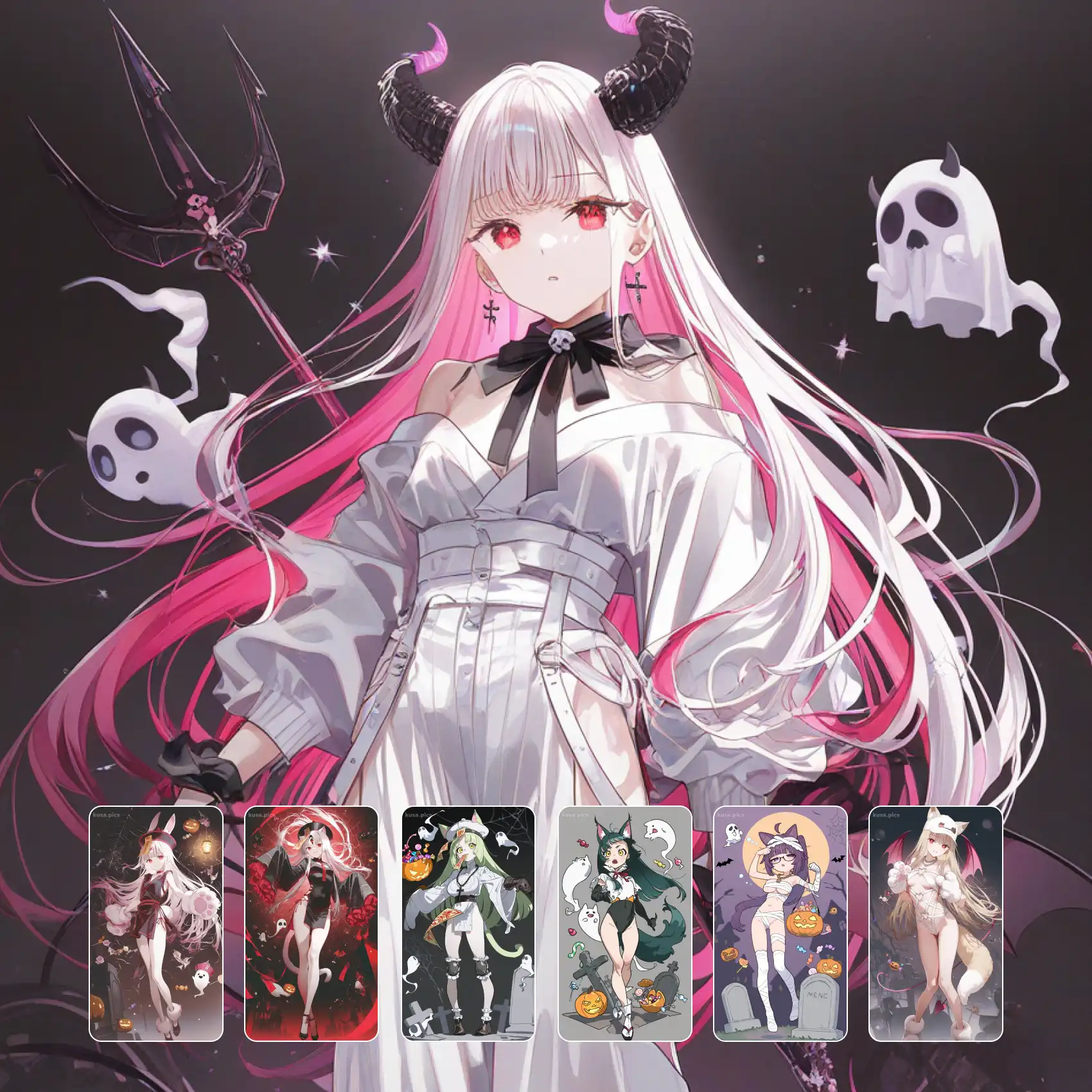
Character art the way a production studio would draw it for reference. Traditional Cel puts a full figure on a plain background with even, shadowless lighting so every design detail stays legible — the point is documentation, not drama. Flat cel fills, consistent line weight, and neutral standing poses make it ideal for turnaround sheets, costume references, and any design you need to hand to someone else. Colours are picked to be reproducible rather than atmospheric. Free on KusArt, no login required.
Anime character sheets created by the KusArt community. Click any image to see its details and try the same prompt.
A character sheet has a different job from an illustration, and Traditional Cel is built around that job. Illustrations use lighting and composition to create mood; a reference sheet has to remove both so a design can be read and reproduced accurately. Lighting here is intentionally even and nearly shadowless — just enough tonal separation to describe form, never enough to obscure a detail or shift a colour away from its true value. Backgrounds stay plain, usually a flat neutral or soft gradient, so nothing competes with the figure and so the sheet can be dropped into any document. Poses default to neutral and frontal or three-quarter, arms clear of the torso, because a design has to be visible rather than expressive. Fills are flat cel with a single consistent shadow tone, applied the same way across every surface, which is what makes colours reproducible by another artist. Line weight stays uniform rather than tapering, since a reference line is describing an edge, not performing. Costume details — seams, buckles, trim — get drawn at full clarity even when they would naturally fall into shadow. The result is deliberately undramatic and enormously useful.
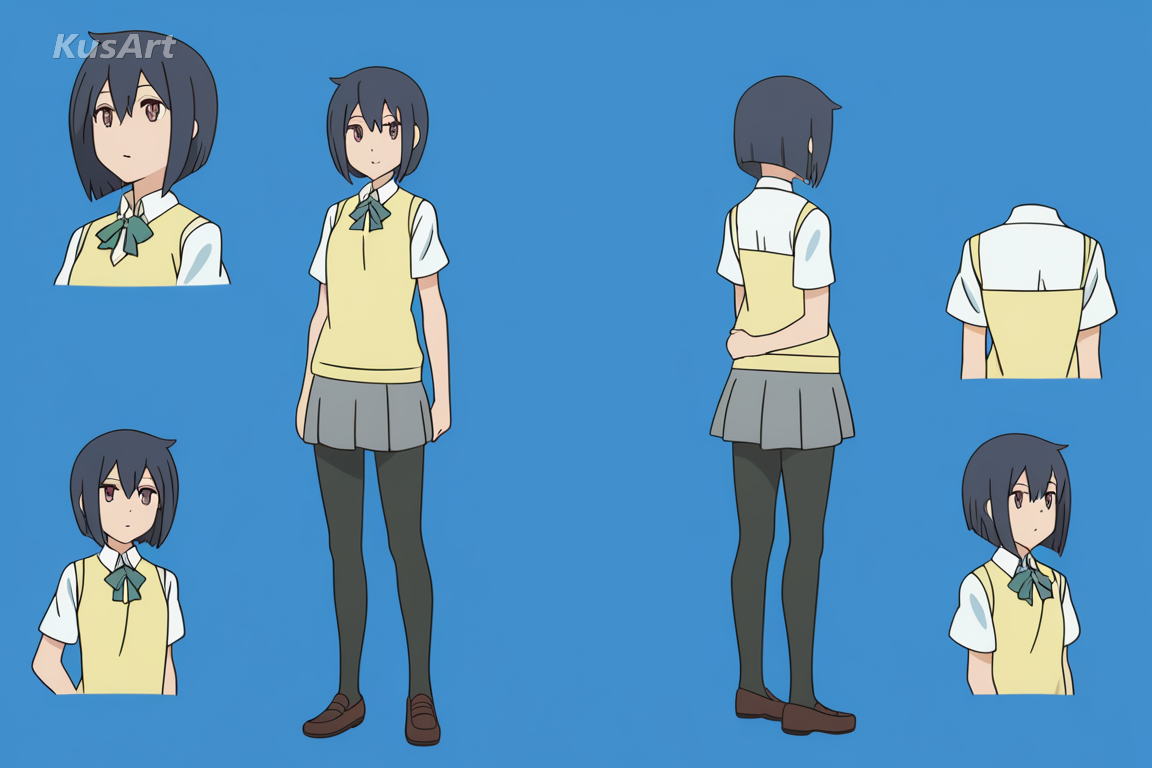
Every choice here serves legibility rather than atmosphere.
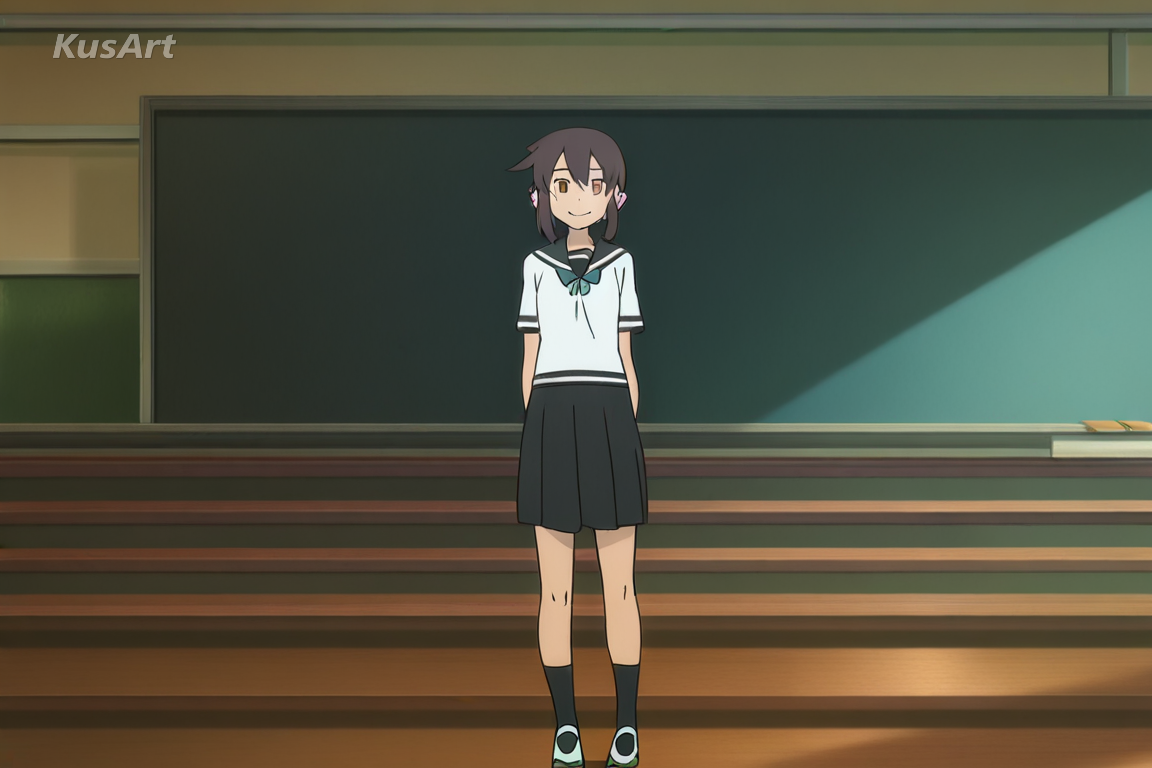
Lighting describes form with minimal tonal shift and never casts a shadow that hides a detail. It keeps every colour at its true value so the design can be matched later.
Try Reference Lighting →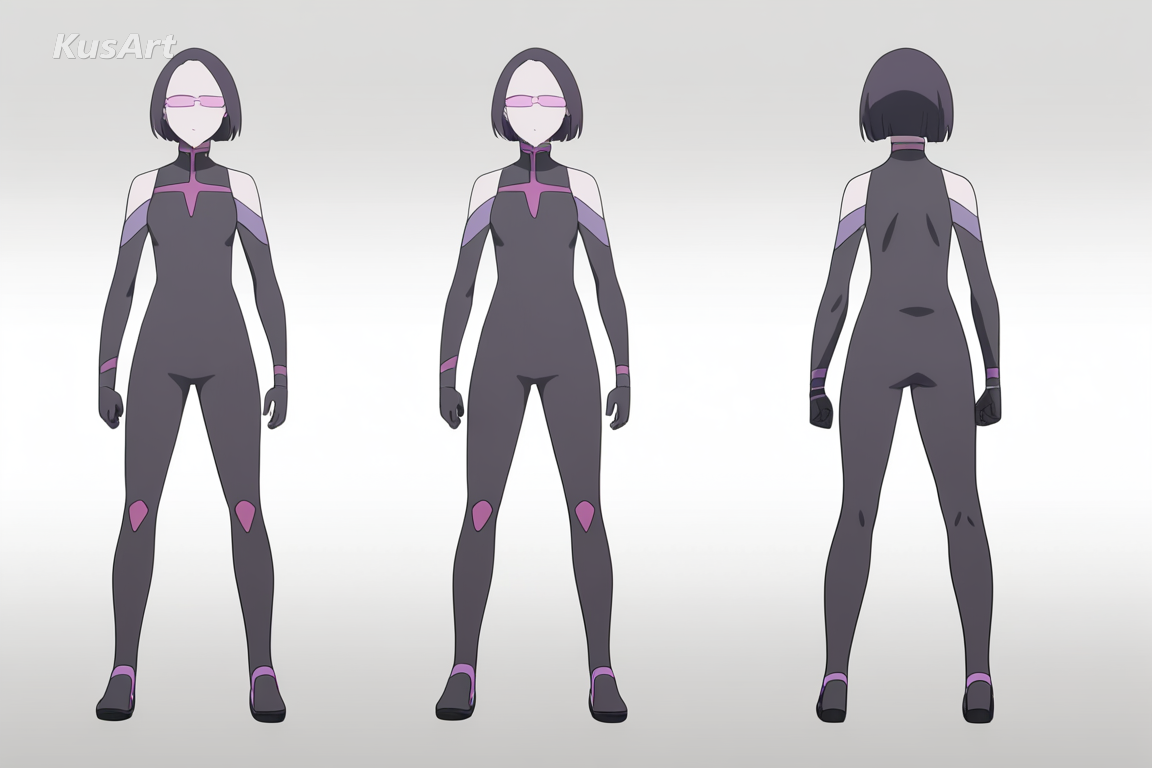
A flat neutral or soft gradient behind the figure. Nothing competes with the character, and the sheet drops cleanly into any document or presentation.
Try Clean Backgrounds →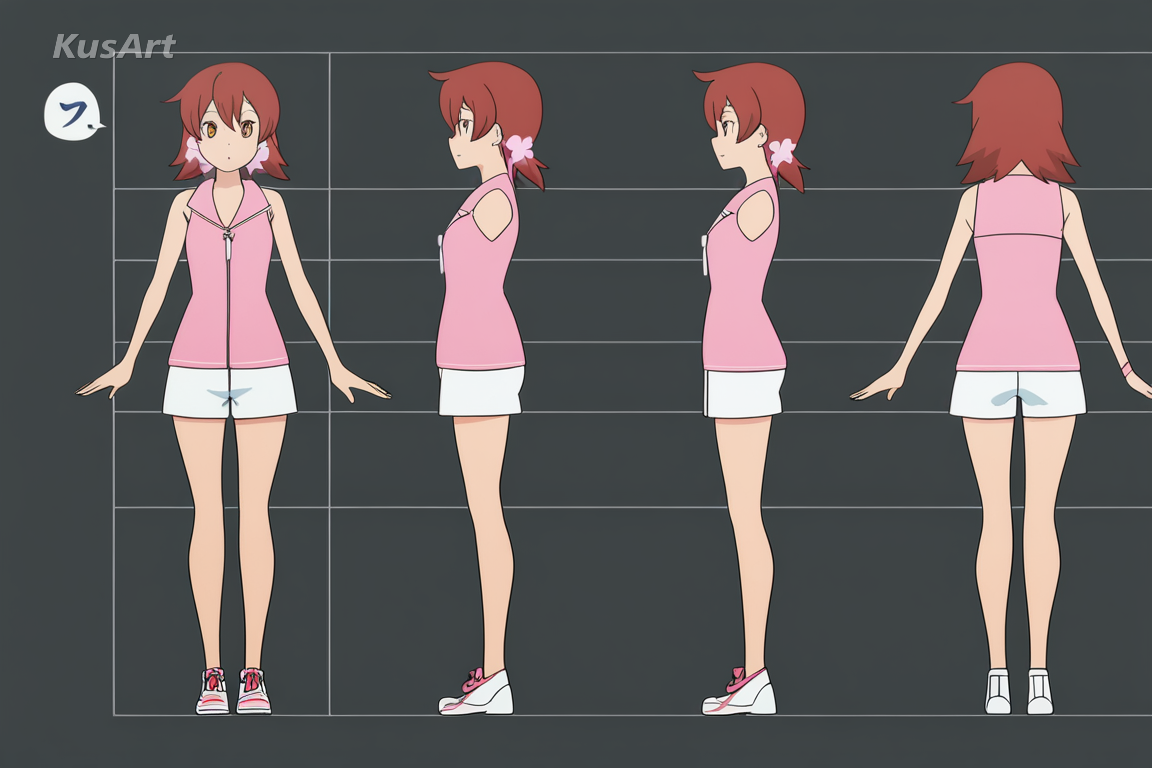
Frontal or three-quarter, arms clear of the torso. Poses that show the design rather than perform a mood, which is exactly what a turnaround needs.
Try Reference Poses →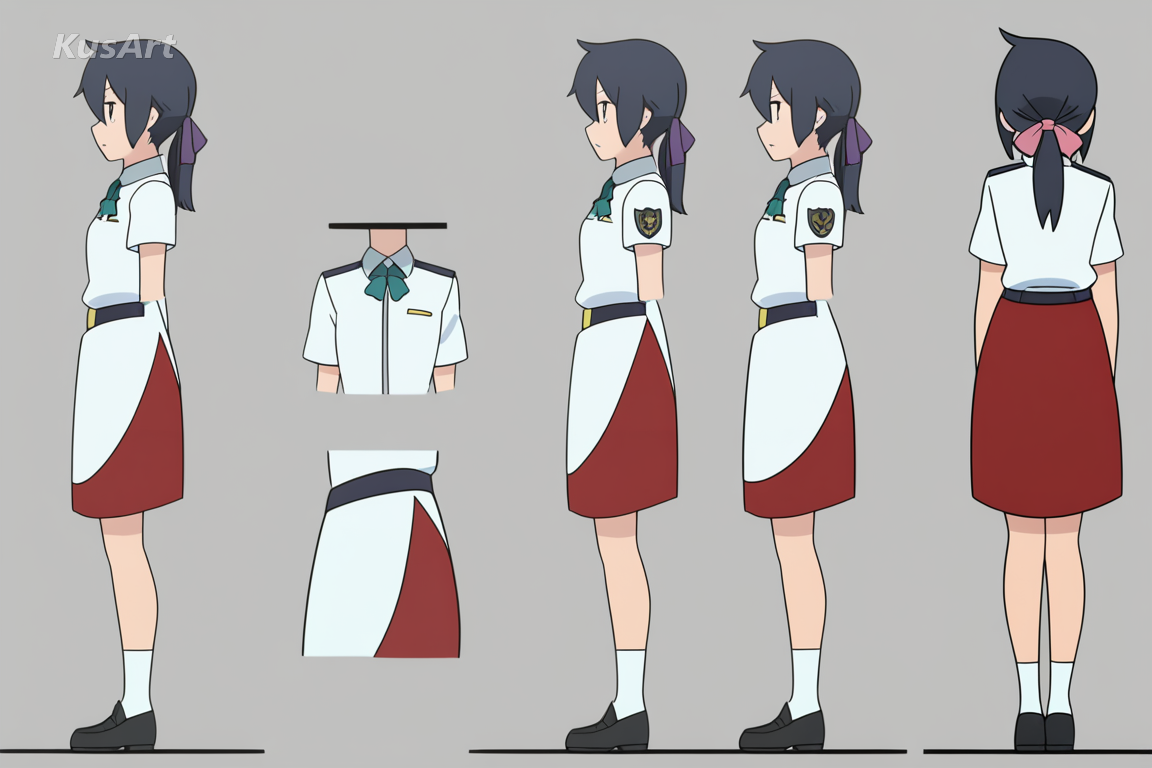
One consistent shadow tone applied identically across every surface, with uniform line weight throughout. It is what lets another artist match your colours exactly.
Try Flat Fills →Reach for this style when a design needs to be handed over, not shown off.
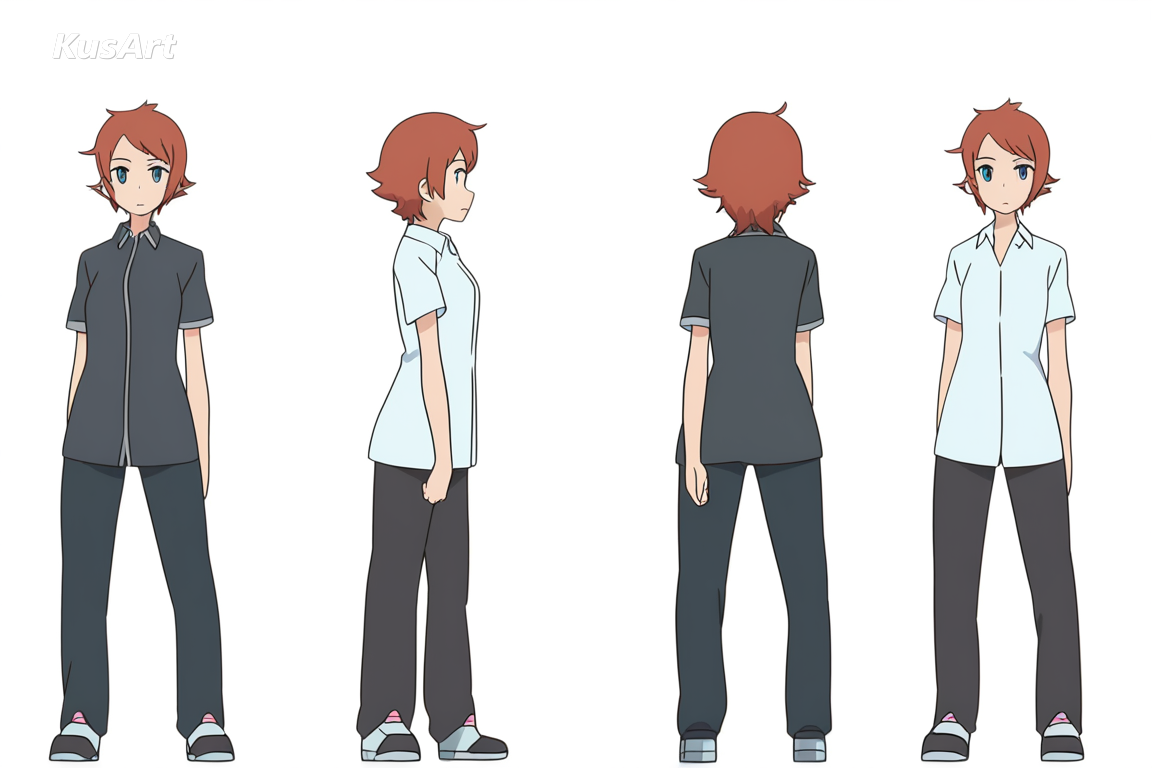
Even lighting and neutral poses are exactly what a turnaround requires, giving you front and three-quarter views that stay consistent with each other.
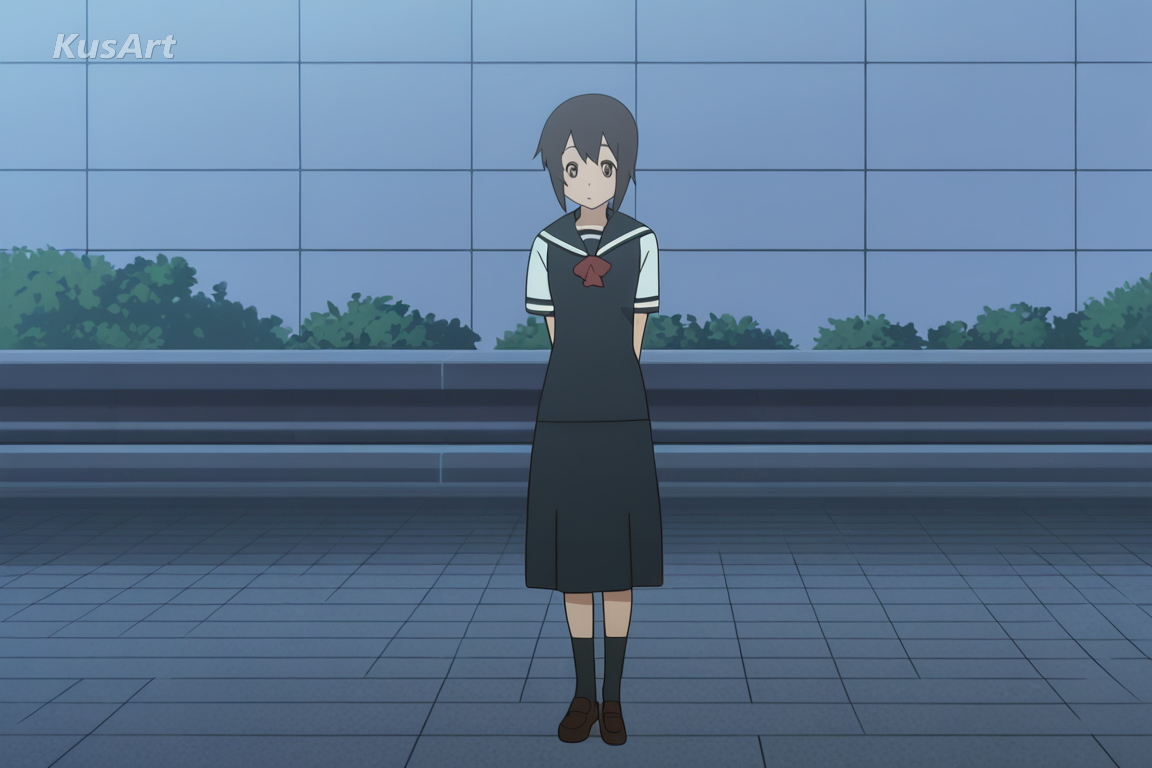
Seams, buckles, and trim are drawn at full clarity even where shadow would normally hide them, which is what makes a costume reference actually usable.
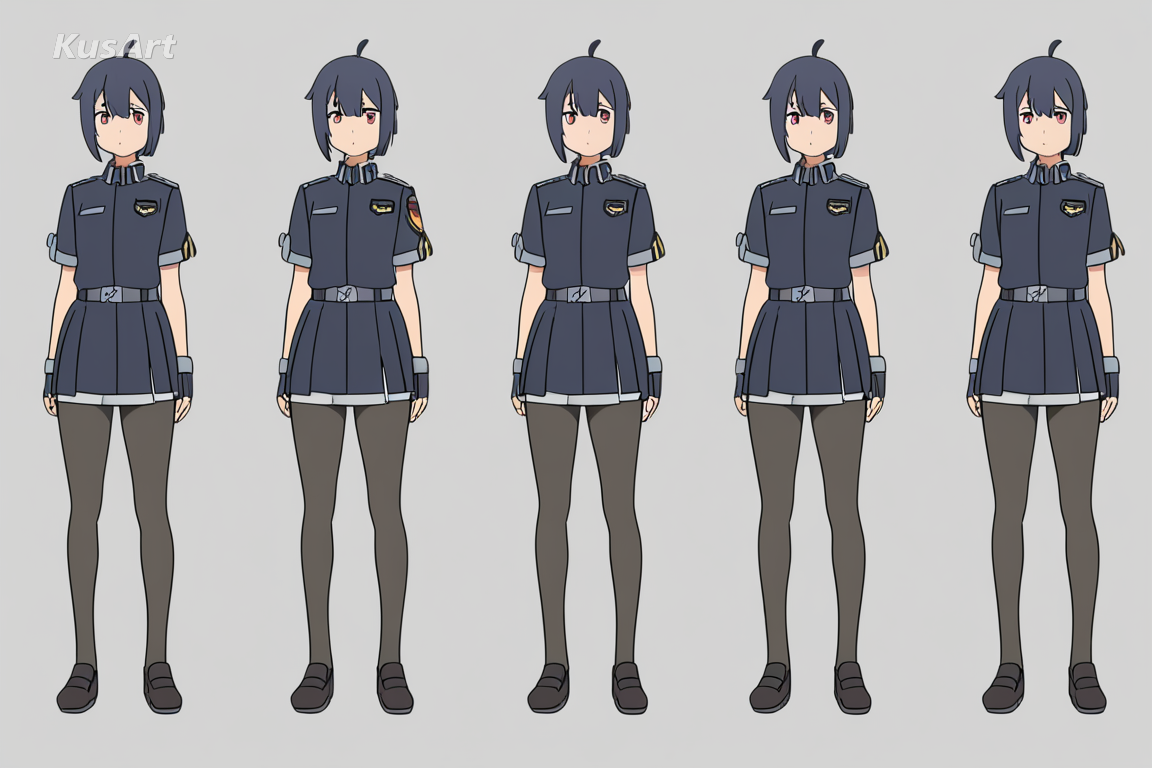
When you need another artist to draw your character, a reproducible flat-cel sheet communicates the design far better than an atmospheric illustration.
Open the KusArt Image Generator and select 'Traditional Cel' from the style panel.
Describe the design element by element — garment layers, colours, and accessories all need naming.
Add 'full body, plain background' to keep the output in reference-sheet territory.
Generate, then run variations through Image-to-Image to build out additional angles.
It is reference art that documents a design rather than dramatising it — even lighting, plain background, neutral pose, and flat reproducible colours so another artist can work from it.
Cel-Shaded Anime is an illustration style with dramatic lighting, effects, and composed backgrounds. Traditional Cel strips all of that out in favour of even lighting and plain backdrops so the design stays legible.
Yes. KusArt offers free AI generation with no login required.
Generate a front view first, then use Image-to-Image with an angle instruction to build additional views that stay consistent.
That is the intent. A reference sheet removes mood so the design can be read and reproduced accurately; drama would hide the details you need.
Enumerate the design. 'Navy blazer, red tie, pleated grey skirt, knee socks, full body, plain background' works far better than mood words.
Use Traditional Cel when you want clean flat-cel character art on plain backgrounds, built like a production reference sheet. It is especially useful for character turnaround sheets, costume and prop references, and commission briefs and handoffs.
Start with Image Generator for the fastest prompt-first workflow. If your goal is a profile picture or avatar, Anime PFP Maker is usually the better fit. If you want to build a more structured original character workflow, move into OC Generator.
Reach for this style when a design needs to be handed over, not shown off. After your first strong result, you can carry the same look into OC Generator, Image to Video, and Sticker Generator.
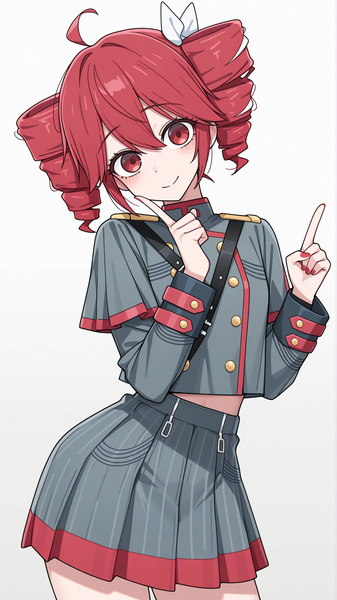
Classic anime cel-shading with flat color blocks, crisp shadow edges, and the authentic look of traditional hand-painted animation cels.
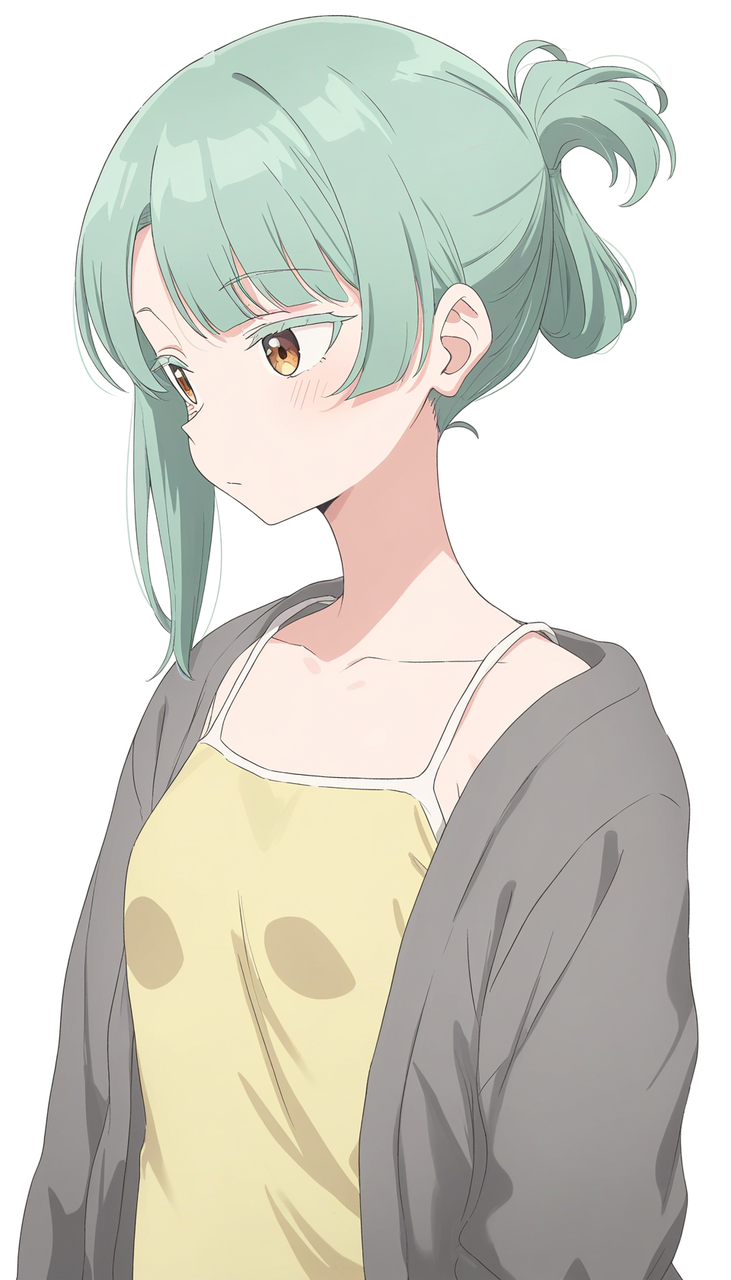
Sharp, precise linework and flat vibrant color for a polished, modern anime look with minimal shading.
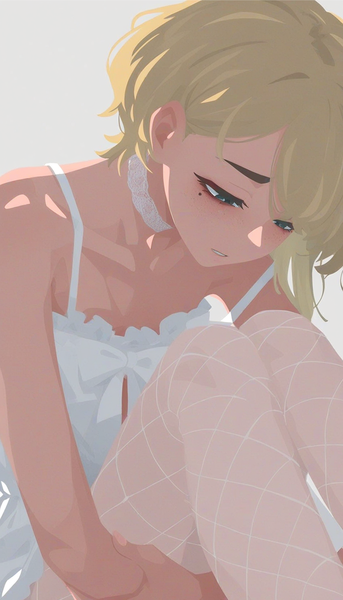
No-line flat illustration with shadow rendered purely through color blocks — a minimalist, modern take on character art.
Generate clean, reproducible character sheets in seconds — free, no login required.
Includes 100 free credits daily