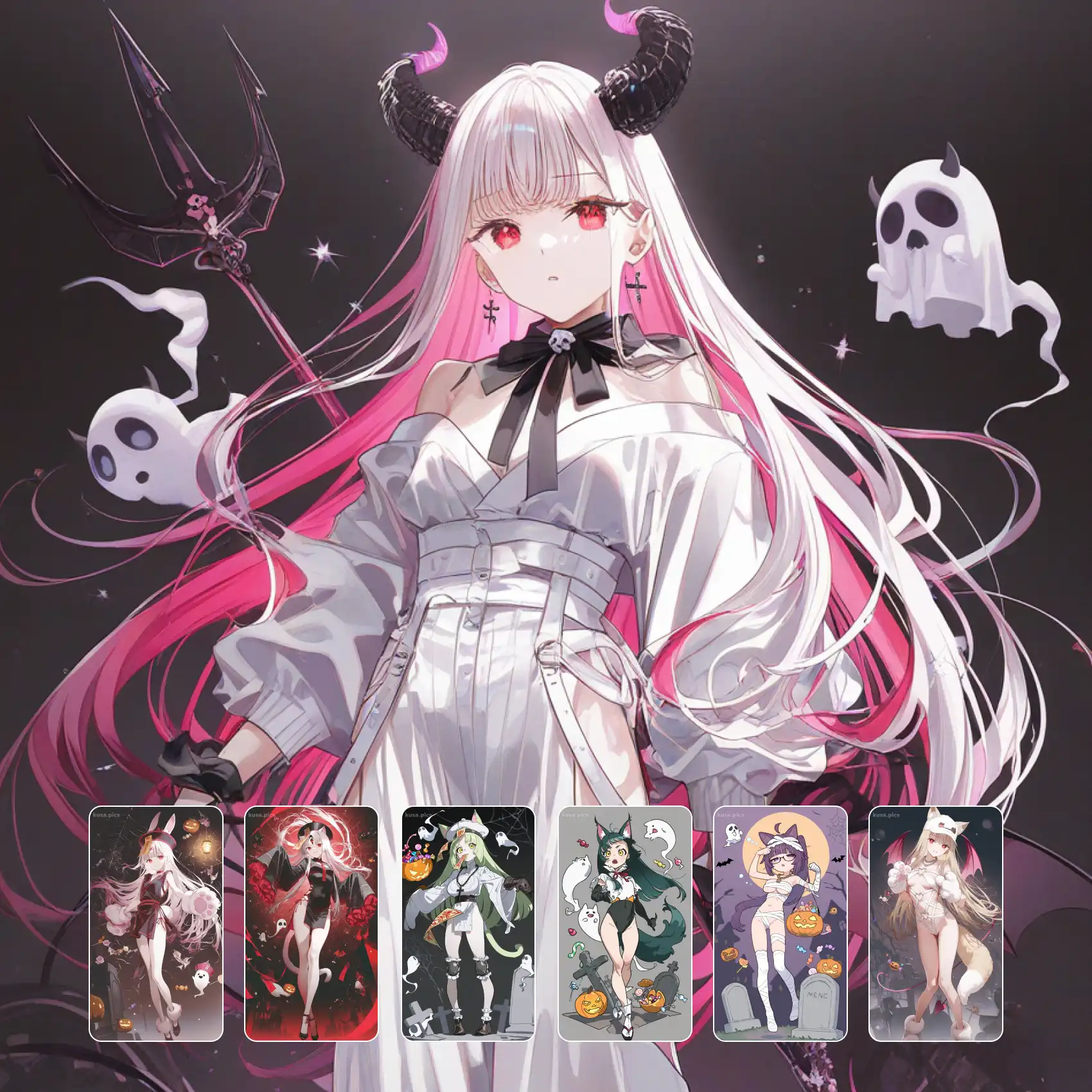
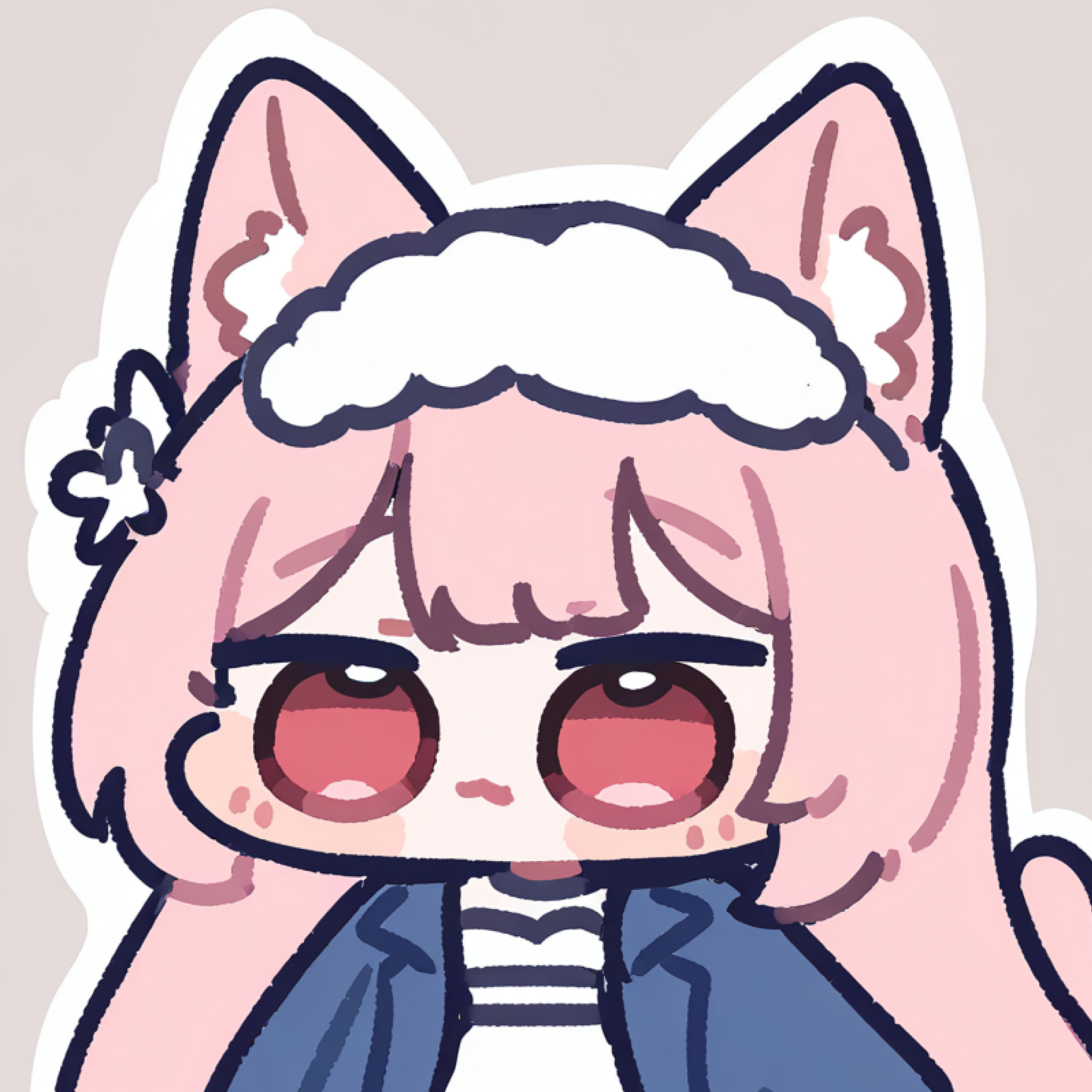
Anthro characters that actually look furred. This style renders coat texture properly — directional fur flow across the muzzle and chest, longer guard hairs at the ruff and tail, and short dense fur where a limb bends. Muzzles carry real animal structure rather than a human face with ears attached, and species markings sit where they would on the actual animal. Clean digital linework keeps everything readable, and clothing drapes over fur with visible compression at the collar and waist. Free on KusArt, no login required.
Furry art created by the KusArt community. Click any image to see its details and try the same prompt.
The gap between passable and convincing anthro art comes down to whether the fur is treated as a surface or as a material, and this style firmly treats it as a material. Coat direction is the foundation: fur flows outward from the bridge of the muzzle, sweeps down the neck into the chest ruff, and shortens across joints where movement compresses it. Guard hairs are drawn longer and looser at the ruff, tail tip, and the backs of forearms, catching light differently from the dense undercoat beneath. Muzzle construction follows actual animal skull structure — the bridge, the stop before the forehead, the way the mouth line runs back toward the jaw hinge — rather than pasting a snout onto a human face. Species markings are placed anatomically: a fox's dark stockings end where the leg narrows, a wolf's mask follows the cheek ridge. Eyes keep animal pupil shapes and a wet specular that reads as living tissue. Clothing is where many anthro pieces fall apart, so the style pays attention to compression, showing fur pushed flat under a collar or belt and fluffing out again at the hem. Linework stays clean and digital throughout, keeping all that texture legible rather than muddy.
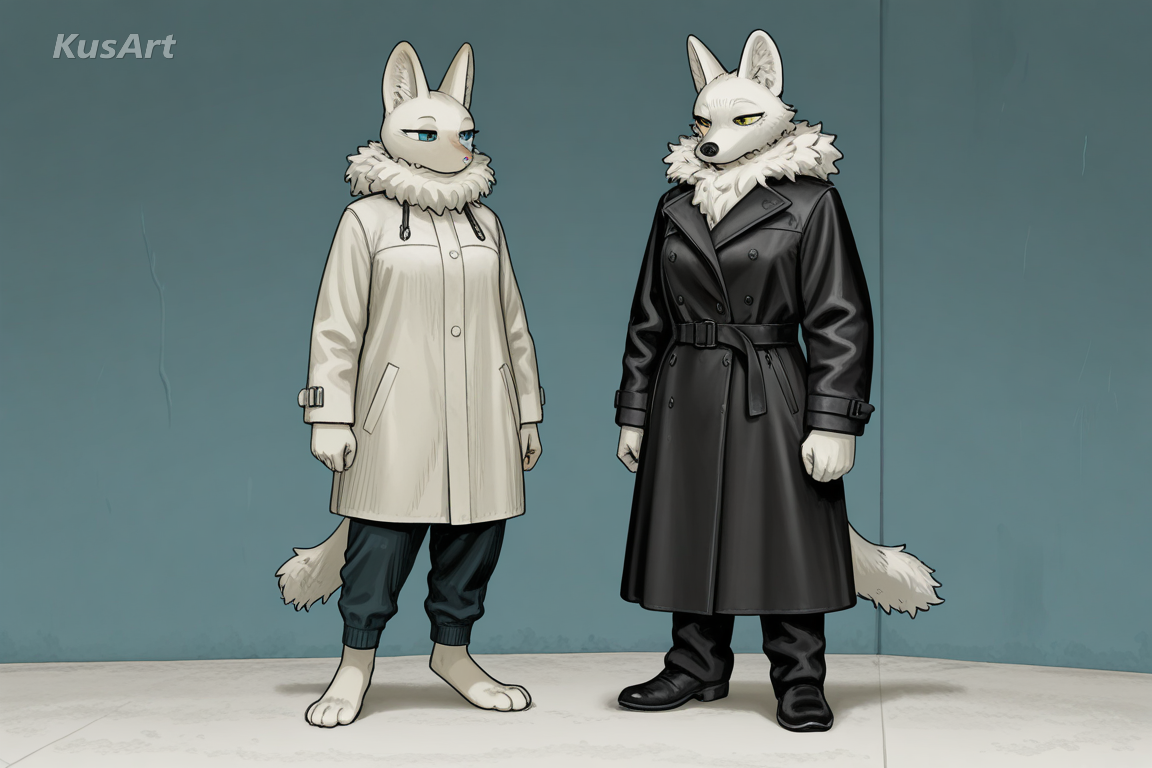
These four details separate convincing anthro art from a human with ears.
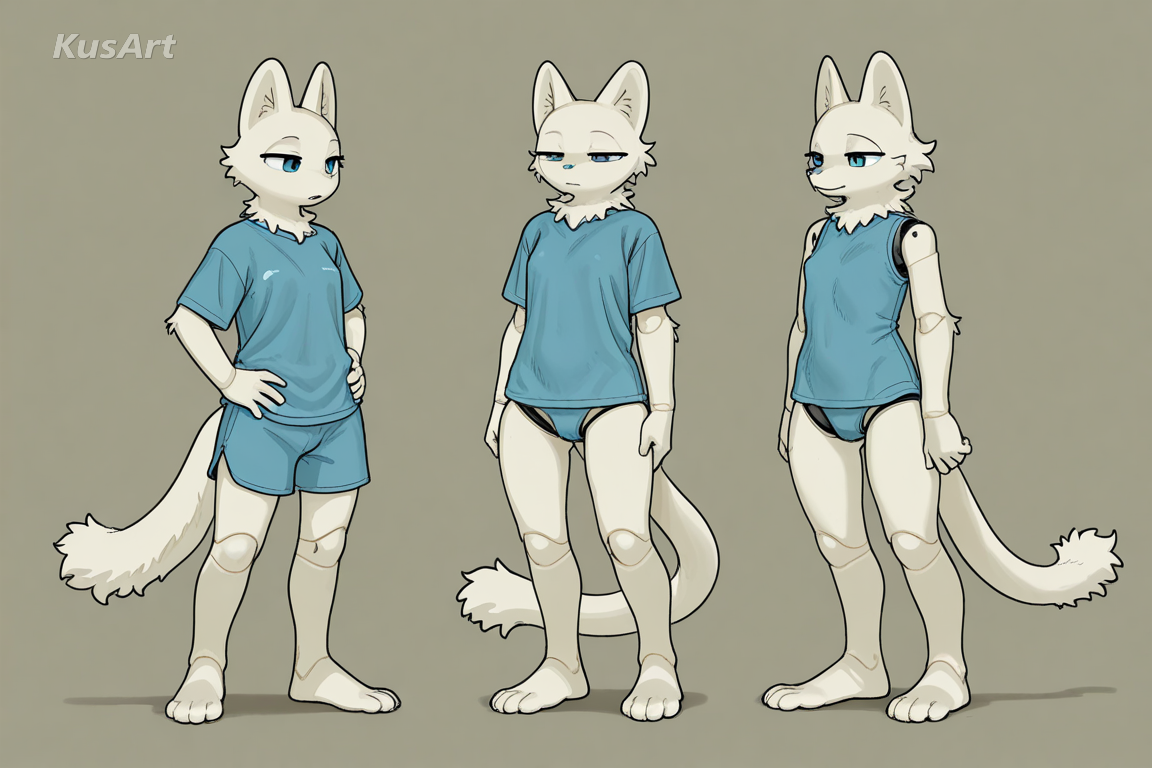
Coat direction is rendered deliberately — outward from the muzzle bridge, down the neck into the ruff, shorter across joints. Getting flow right is what makes fur read as fur.
Try Fur Flow →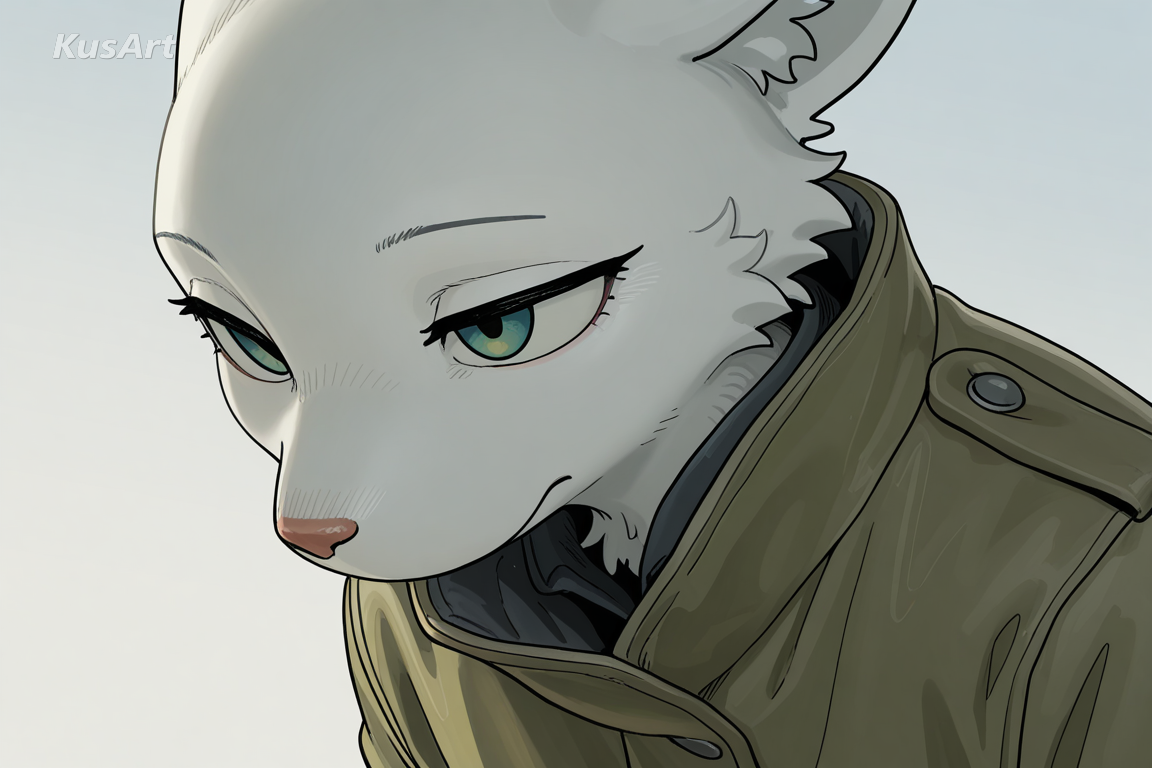
Longer looser hairs at the ruff, tail tip, and forearms catch light differently from the dense coat beneath, giving the pelt genuine depth instead of a flat texture pass.
Try Coat Layers →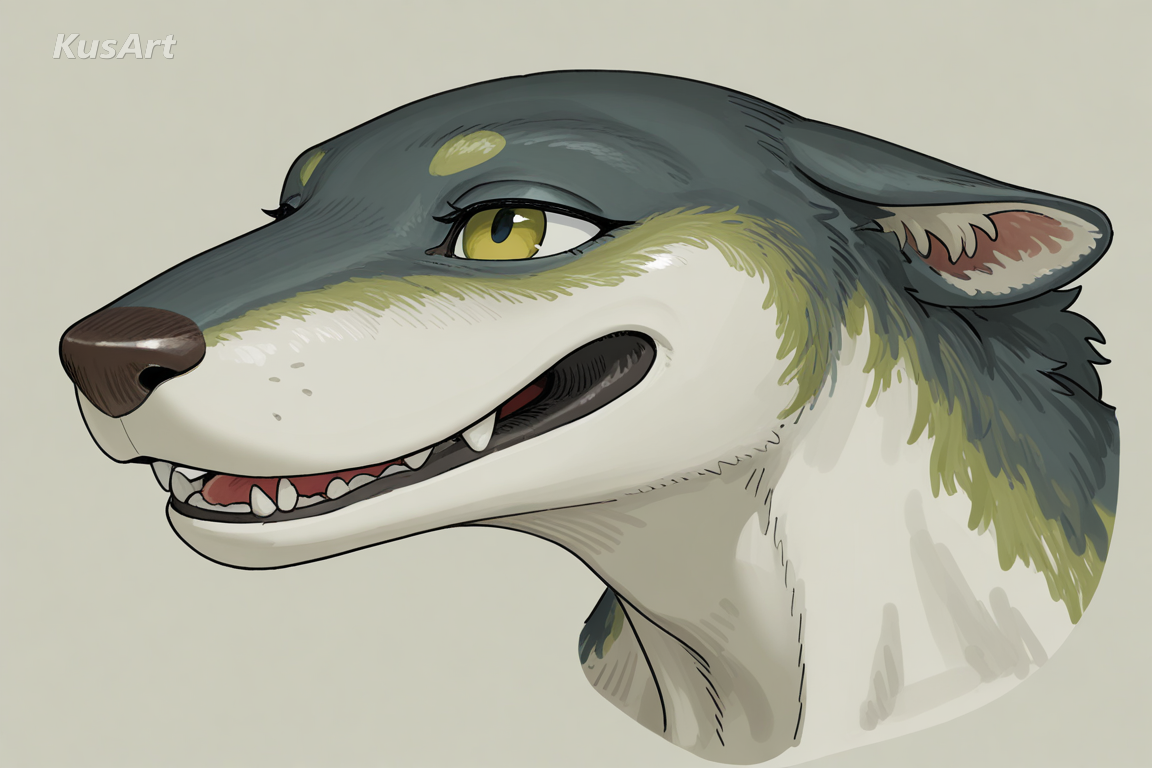
Muzzles follow real skull structure — bridge, stop, and a mouth line running back to the jaw hinge — rather than a snout attached to a human face.
Try Muzzle Structure →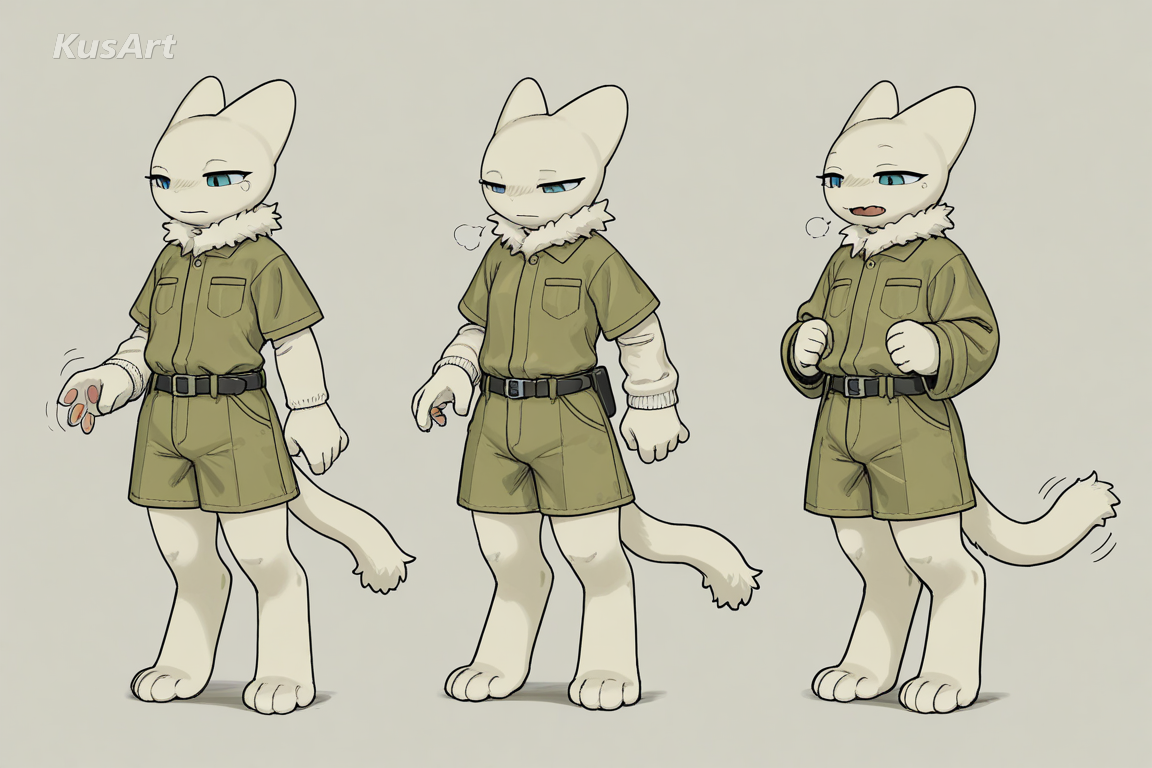
Fabric compresses fur at collars and belts, then lets it fluff out at the hem. That single interaction sells the character as furred rather than costumed.
Try Clothed Anthro →This style is the right pick whenever an anthro character needs to feel physically real.
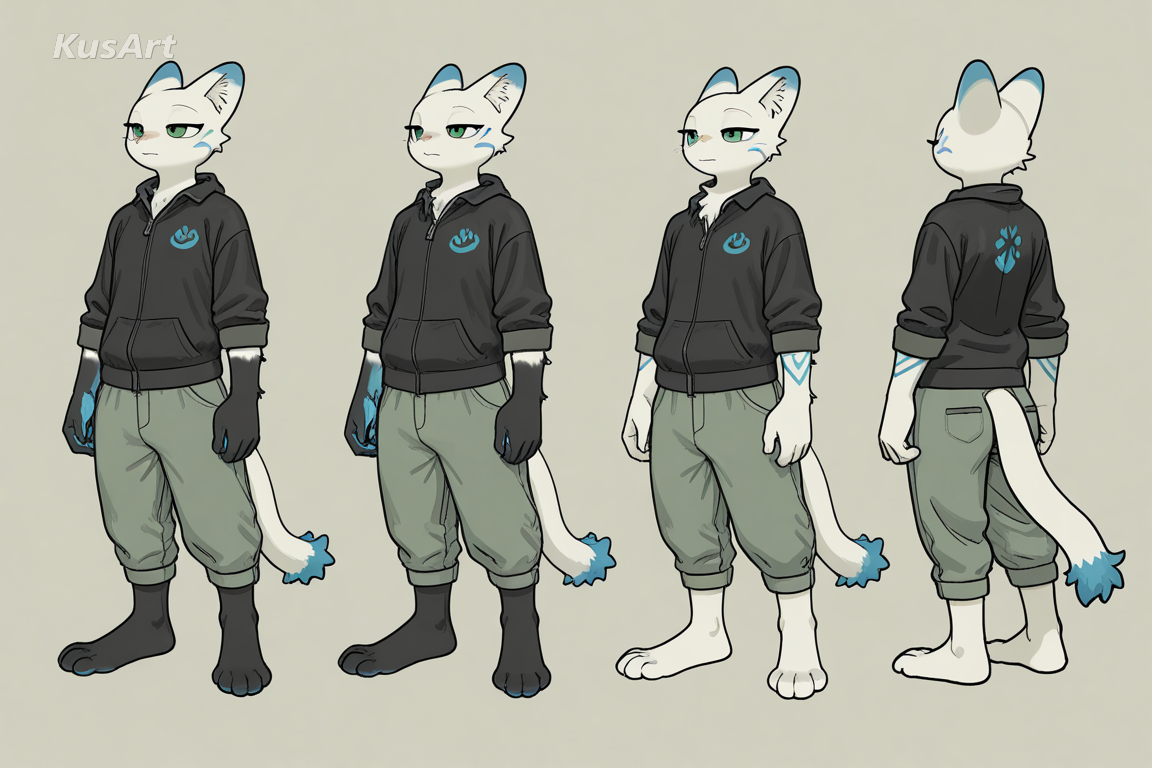
Accurate markings, correct fur flow, and readable linework are exactly what a reference sheet needs to be useful to other artists.
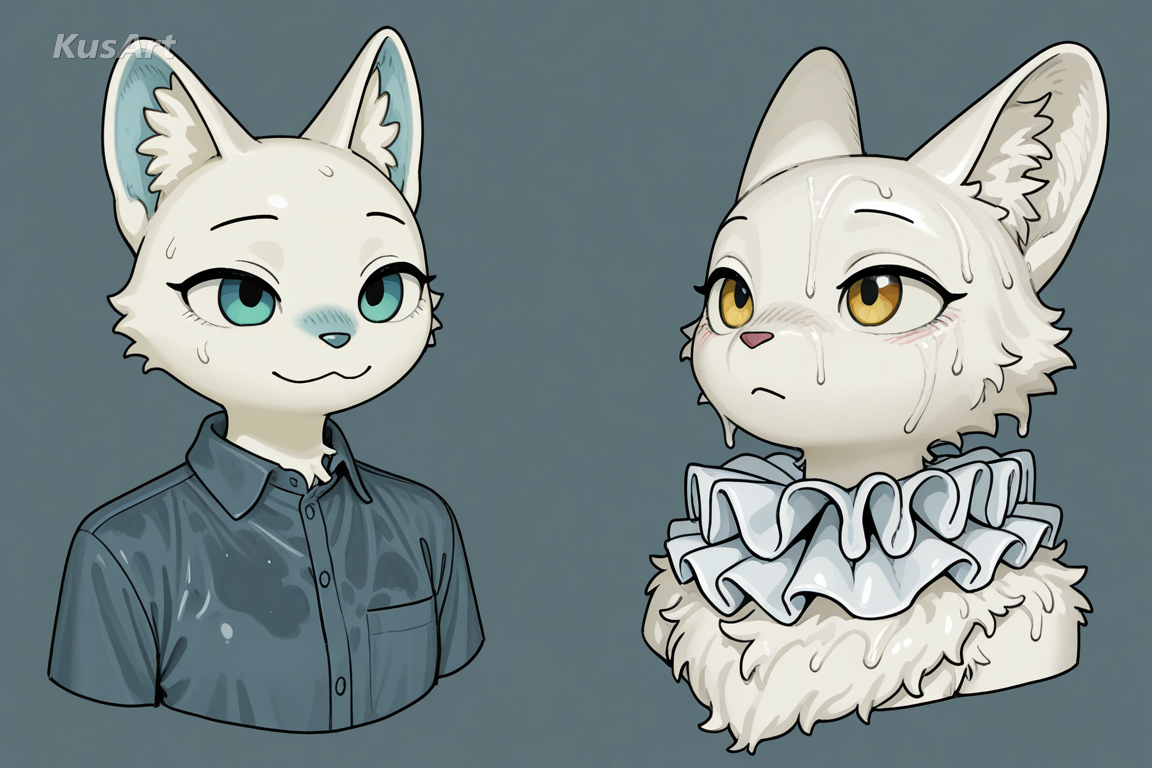
Muzzle structure and layered coat rendering give portraits genuine presence, especially in the chest ruff and around the eyes.
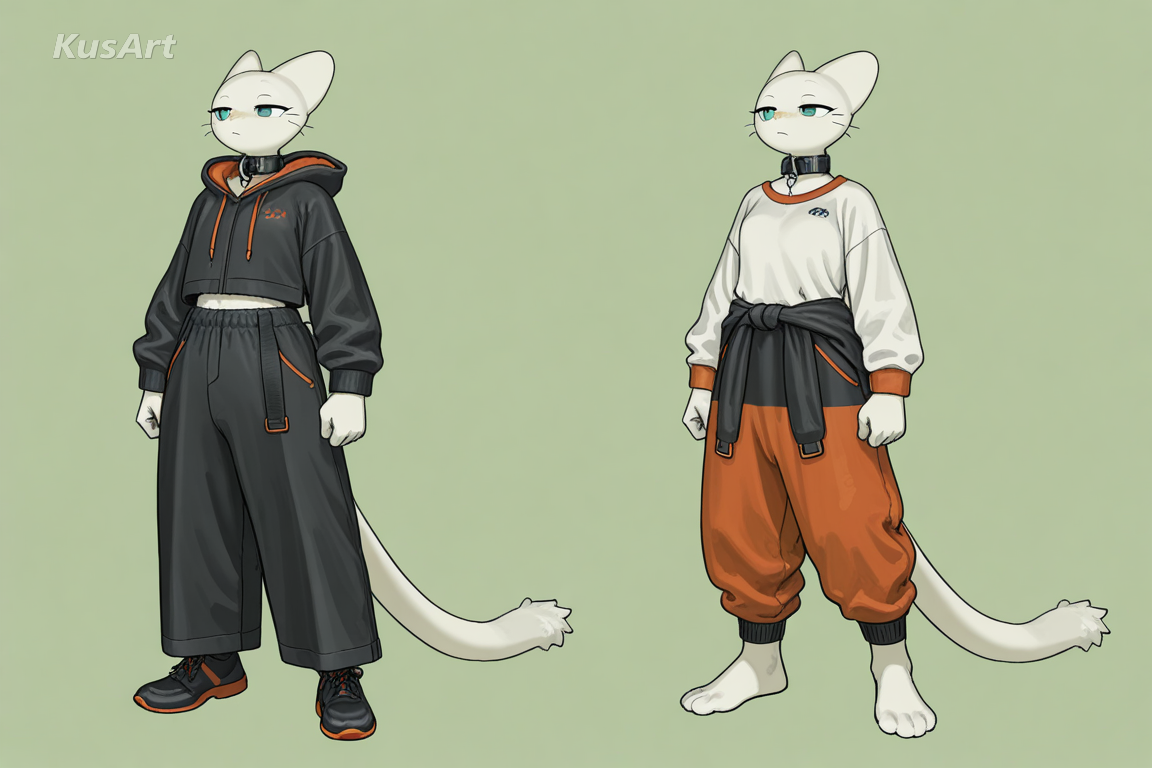
Because the style handles fabric-over-fur compression, fully dressed anthro characters hold together instead of looking like fur-printed clothing.
Open the KusArt Image Generator and select 'Furry Realism' from the style panel.
Name the species first — fur length, muzzle shape, and markings all follow from it.
Describe markings by placement, such as 'dark stockings to the knee' or 'cream chest ruff'.
Generate, then use Image-to-Image to adjust coat colour or clothing without losing the fur rendering.
Furry or anthro art depicts anthropomorphic animal characters. This style renders them with real fur texture, animal muzzle structure, and anatomically placed species markings.
Yes. KusArt provides free AI generation with no login required, so you can create as many anthro characters as you like.
Yes, and it is one of the strongest uses. Name your species and describe markings by placement to get consistent, usable reference art.
It does. The style renders fur compressing under collars and belts and fluffing out at hems, which is what keeps clothed anthro characters believable.
Canines and felines have the most reference in the style, but describing muzzle length, ear shape, and coat length lets you push toward other species.
Lead with species, then markings by placement, then clothing. 'Grey wolf, cream chest ruff, dark stockings, high collar coat' works better than adjective stacking.
Use Furry Realism when you want anthropomorphic characters with rendered fur texture, clean digital linework, and believable animal anatomy. It is especially useful for fursona reference sheets, anthro character portraits, and clothed anthro illustration.
Start with Image Generator for the fastest prompt-first workflow. If your goal is a profile picture or avatar, Anime PFP Maker is usually the better fit. If you want to build a more structured original character workflow, move into OC Generator.
This style is the right pick whenever an anthro character needs to feel physically real. After your first strong result, you can carry the same look into OC Generator, Sticker Generator, and AI Dance Generator.

A casual, sketchy illustration style with loose hand-drawn outlines, spontaneous energy, and the charming imperfection of quick cartoon drawings.
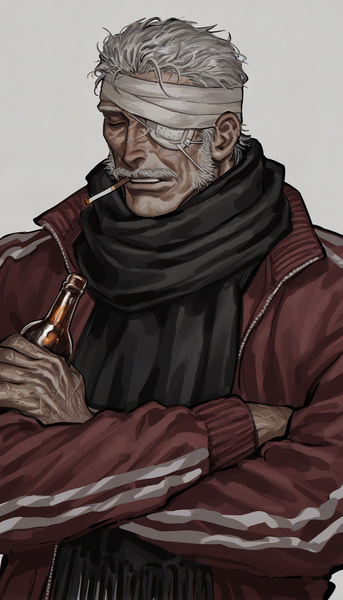
Weathered faces, deep facial lines, and rugged texture for mature characters rendered in true realism art.
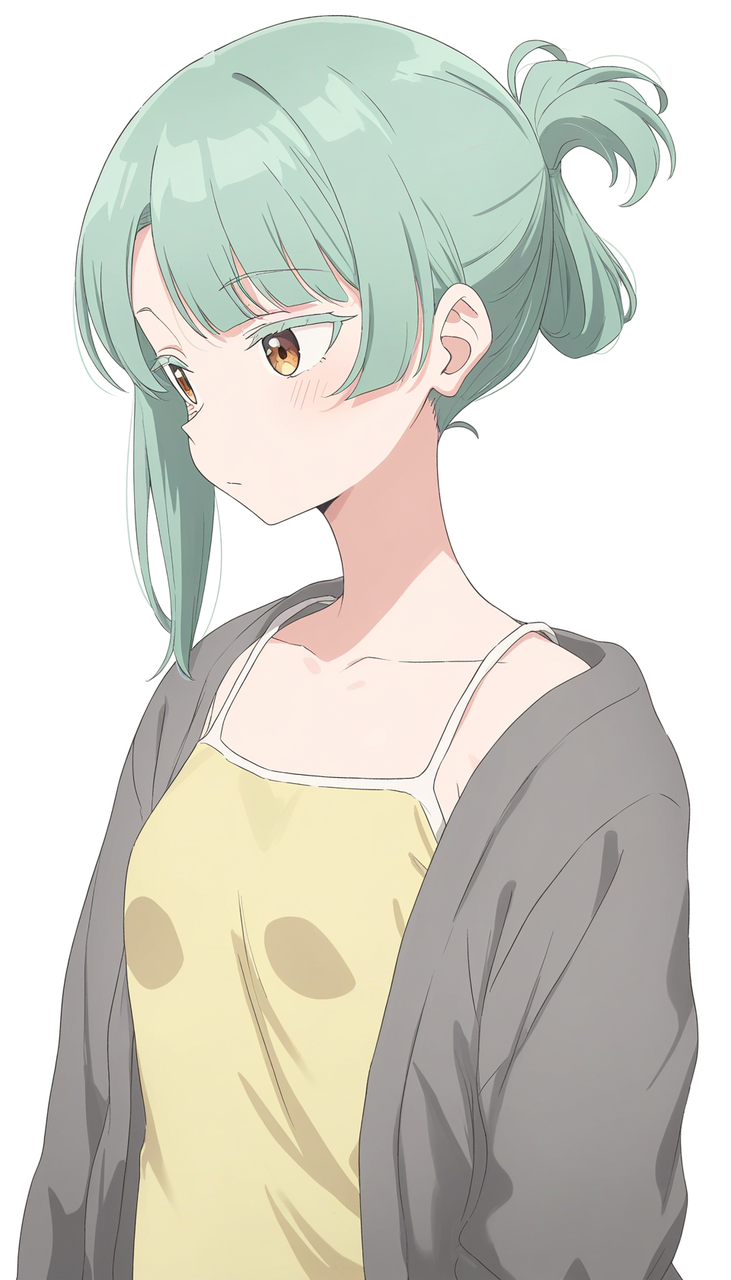
Sharp, precise linework and flat vibrant color for a polished, modern anime look with minimal shading.
Generate fur-rendered anthro art in seconds — free, no login required.
Includes 100 free credits daily