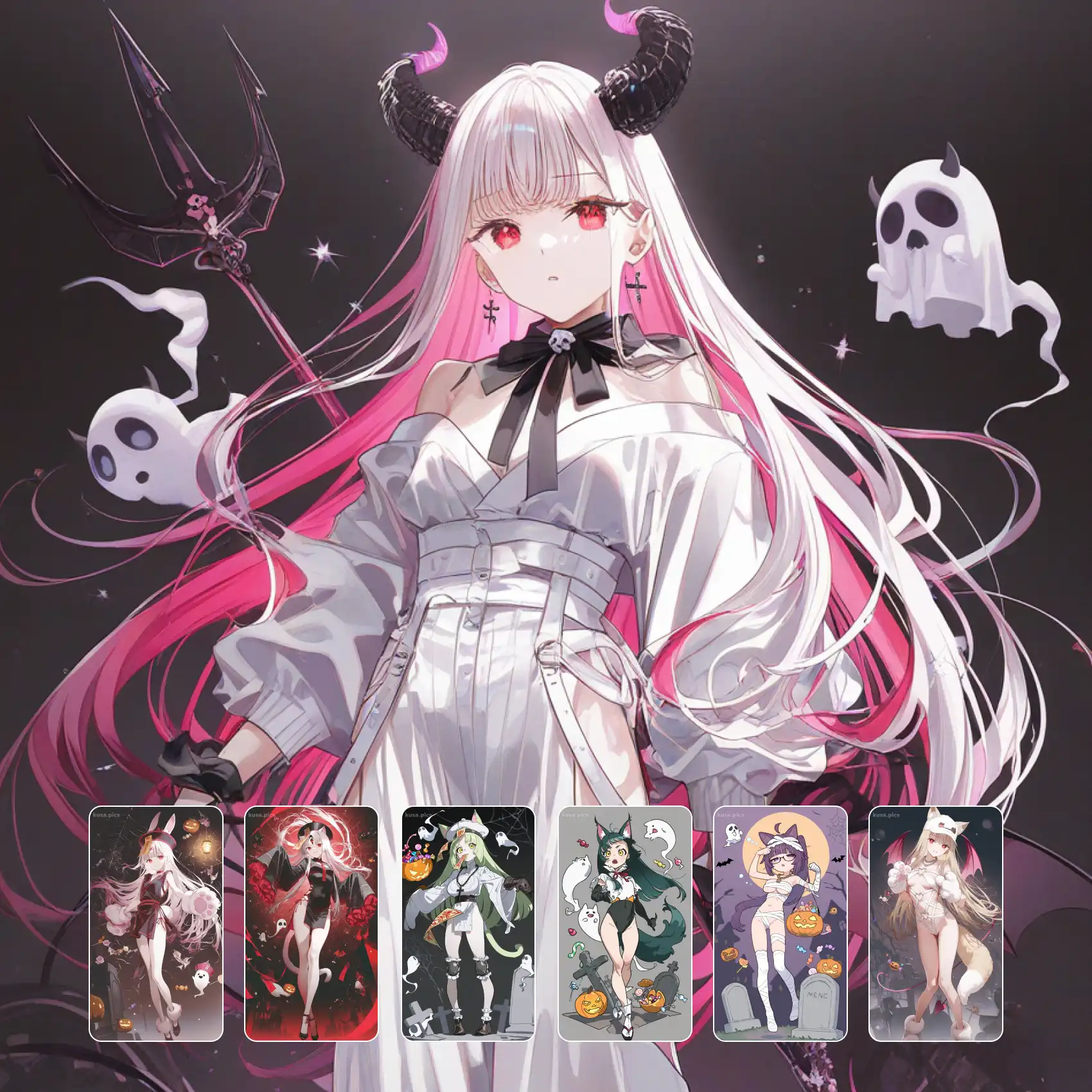
Turn any character into a rented-tape cover with the retro anime aesthetic. Where sober retro styles chase grain and muted film tones, this one goes the other way — electric magenta skies, cyan rim light, gold armour catching an impossible flare. Colours are unafraid, contrast is cranked, and every pose is framed like it belongs on a video shop shelf. Think late-night OVA title cards and magical-girl transformation spreads rather than quiet slice-of-life. Generate free on KusArt, no login required.
Retro anime aesthetic art created by the KusArt community — bold palettes and poster-grade compositions. Click any image to see its details and try the same prompt.
The retro anime aesthetic is the loud half of the tape era. It borrows from OVA promotional art and transformation sequences rather than from grounded television animation, and every choice serves impact over realism. Palettes run hot: magenta, cyan, and gold appear together without apology, often lit from two directions at once so a figure carries a cool rim on one edge and a warm bounce on the other. Shading stays hard-edged cel with two or three tones, never gradients, which keeps the colour blocks reading as pure and saturated. Backgrounds are rarely literal — a starburst, a lightning field, a wash of abstract colour that exists purely to push the subject forward. Linework is confident and slightly heavier at contact points, echoing the thick ink of printed cover art. Hair gets sculpted into large glossy masses with a hard specular streak rather than individual strands. The result is character art that behaves like a poster: readable at a distance, dramatic up close, and unmistakably of its era without sliding into pastiche.
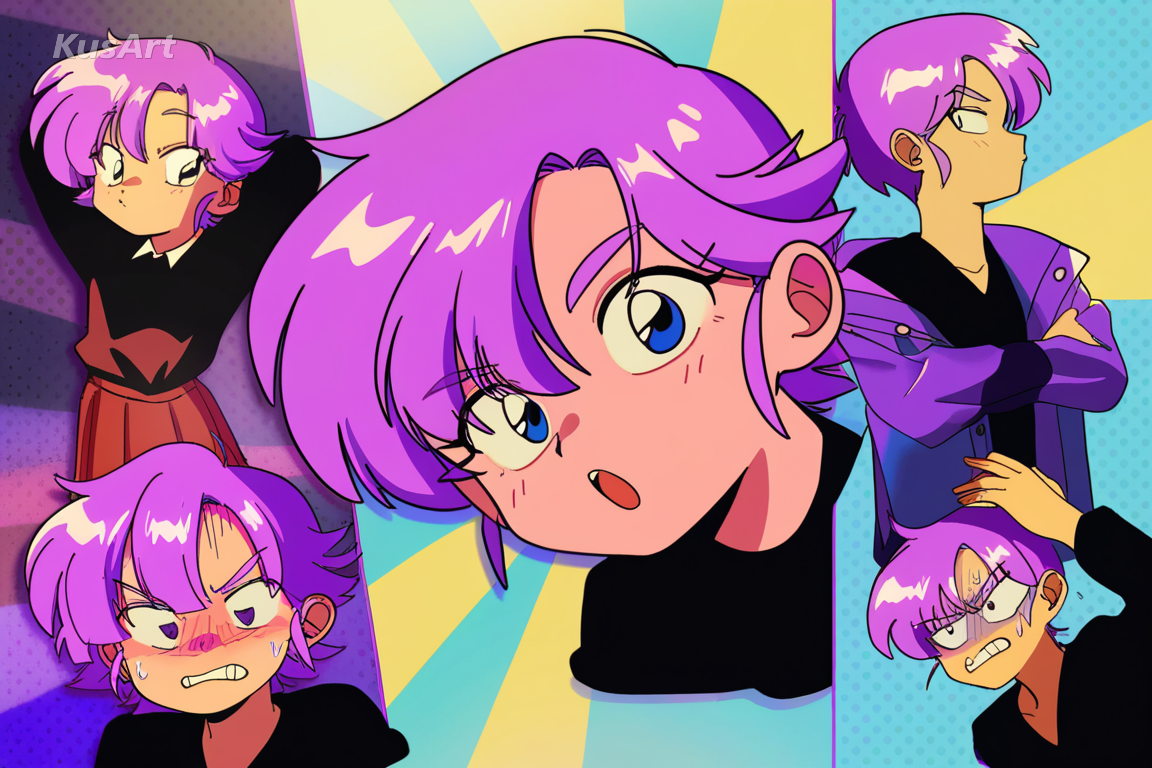
These are the choices that give this style its video-shelf punch.
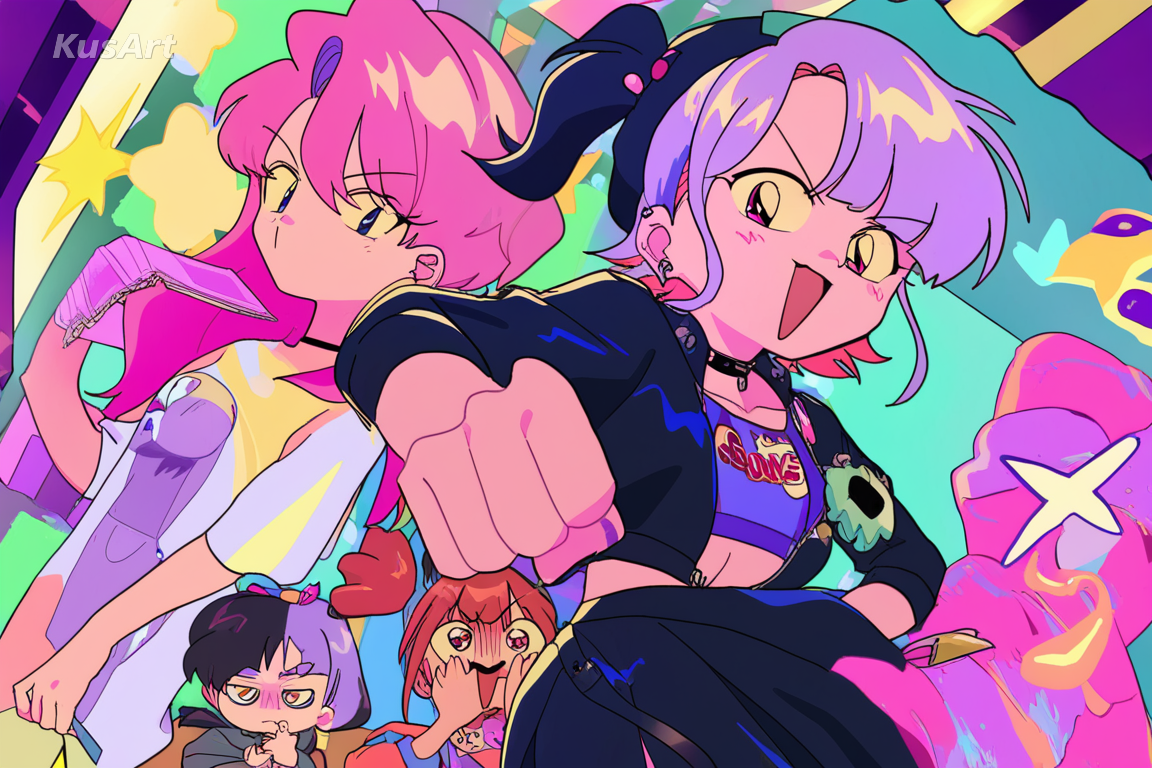
Magenta, cyan, and gold sit together at full strength. There is no colour grading pulling things toward a neutral middle — every hue stays as loud as it started, which is exactly what made OVA covers pop on a crowded shelf.
Try Bold Colour →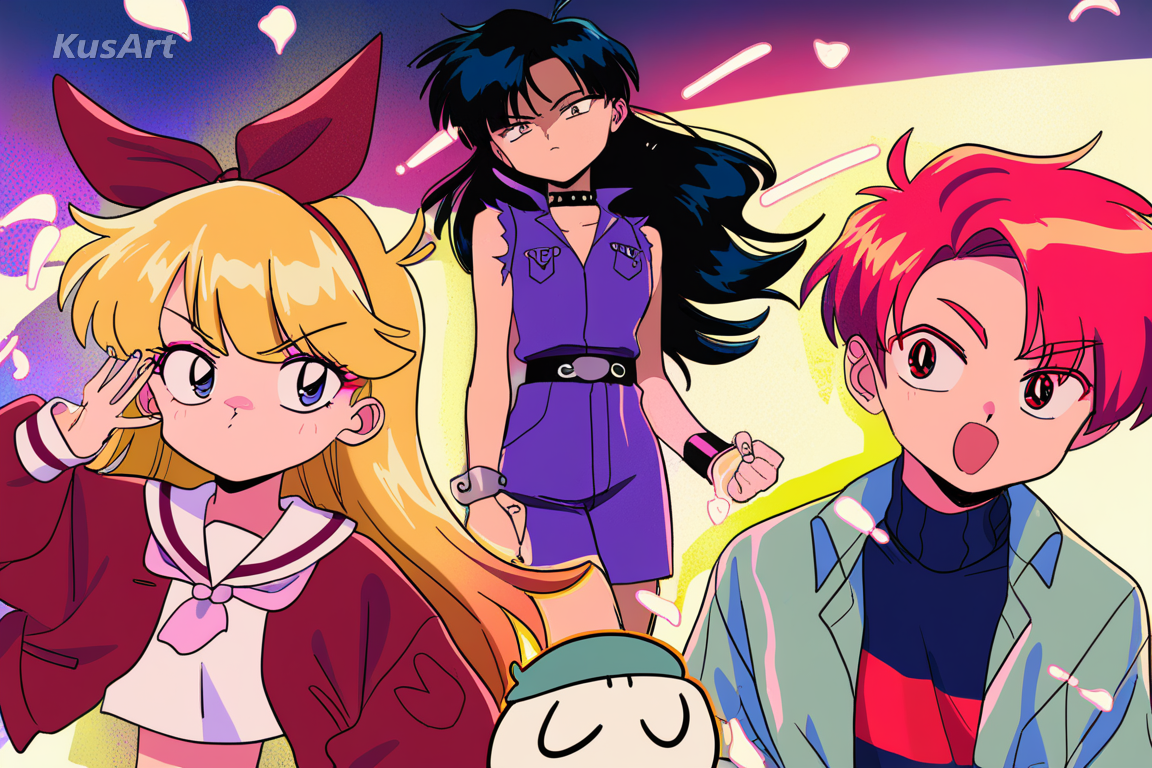
A cool rim light on one edge, a warm bounce on the other, and often a lens flare cutting across the frame. It is lighting designed for drama rather than physical accuracy, and it instantly reads as promotional art.
Try Poster Lighting →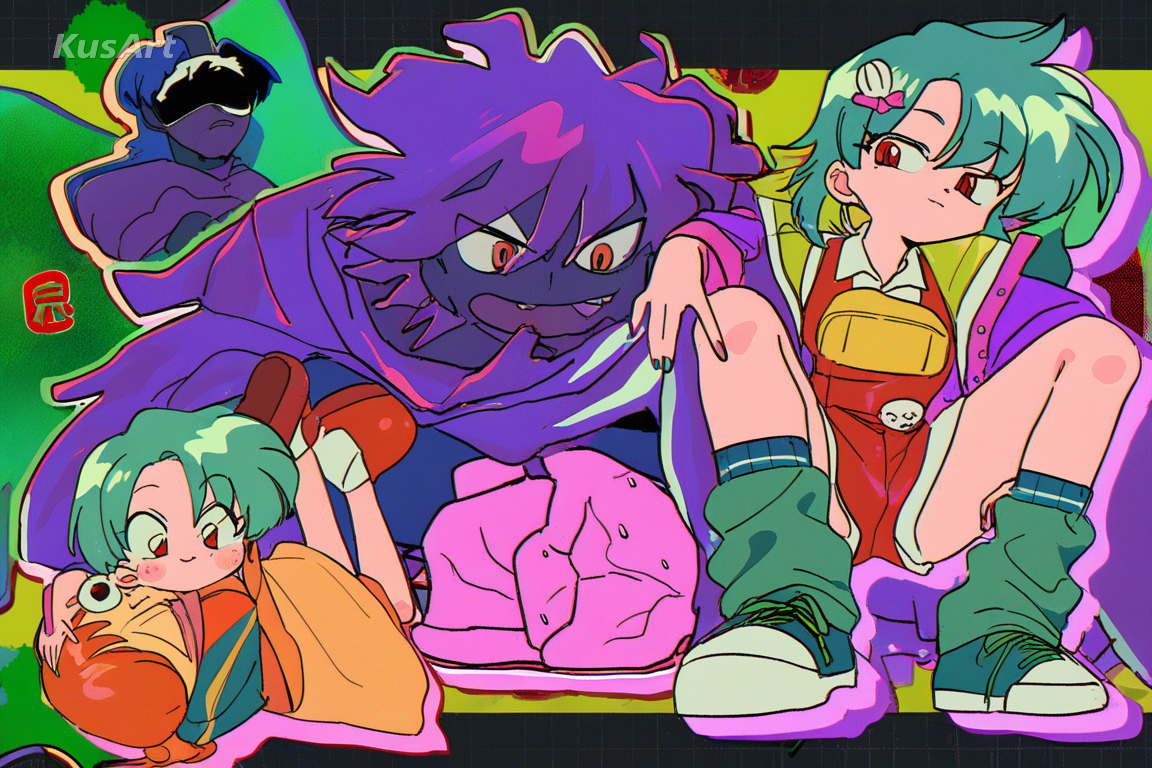
Two or three flat tones per surface with knife-sharp boundaries. Refusing gradients keeps the saturated colours pure and gives hair and fabric that crisp printed-cel quality.
Try Cel Blocks →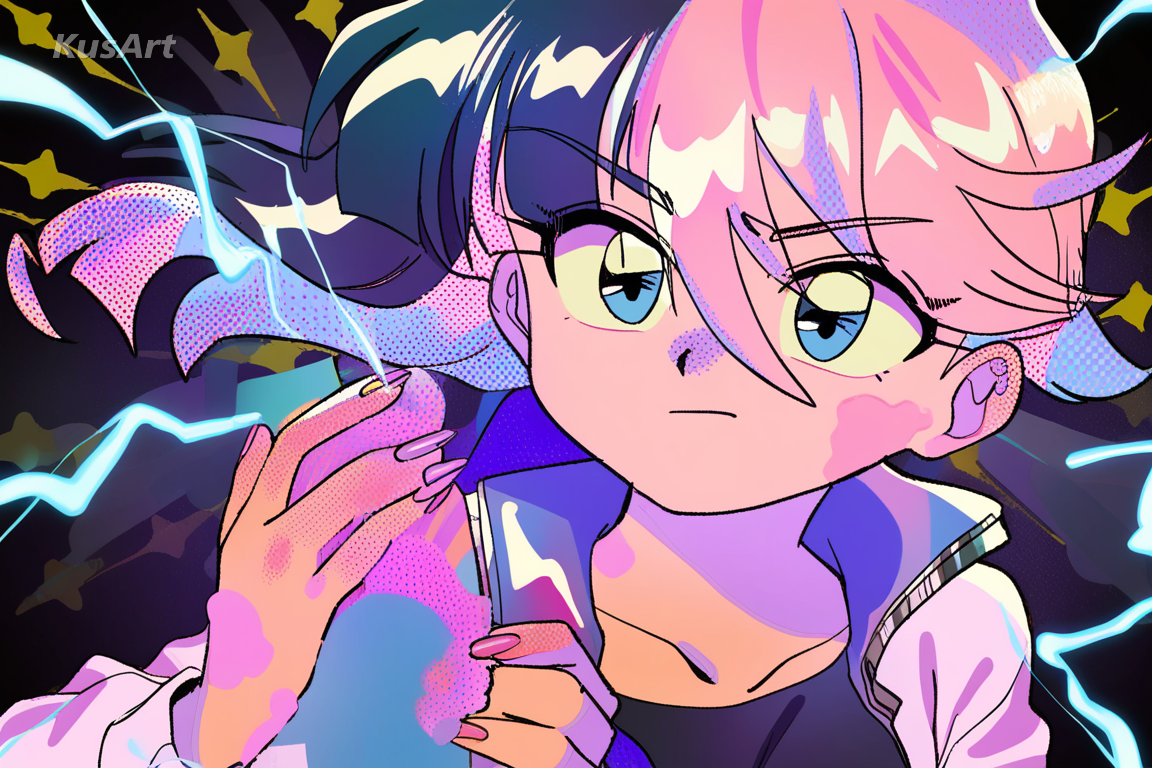
Starbursts, lightning fields, and pure colour washes instead of literal scenery. The background exists to throw the character forward, the way a transformation sequence does.
Try Impact Background →Reach for this style when a character needs to arrive loudly.
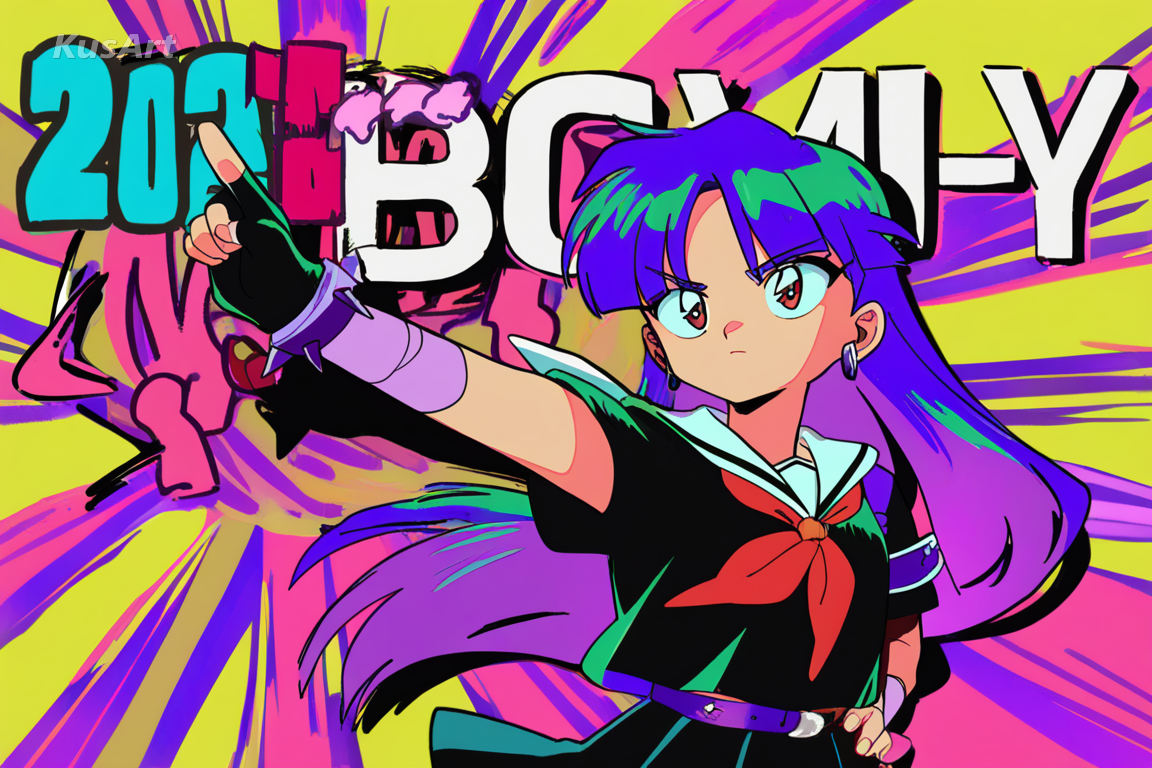
Build a cover for an anime that never existed. The poster lighting and abstract background do most of the work — add a dramatic pose and the illusion lands immediately.
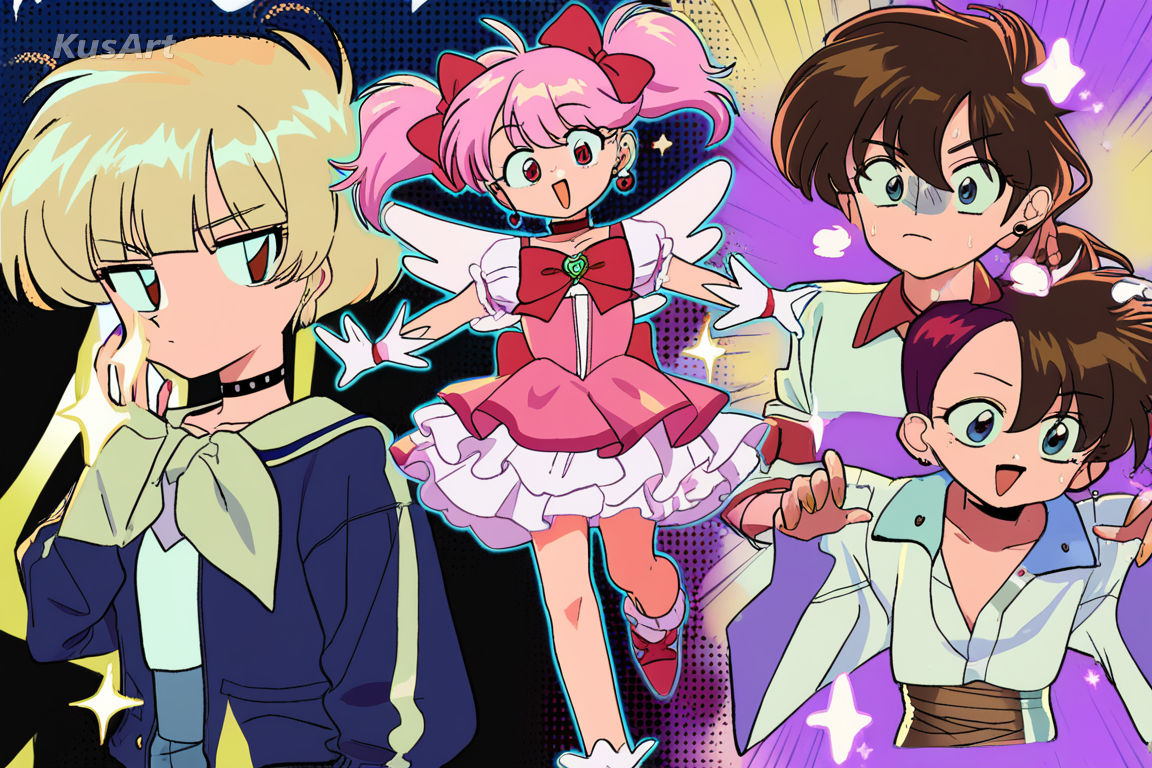
Ribbons, sparkles, and impossible light are native to this palette. It renders transformation spreads with the giddy excess the genre was built on.
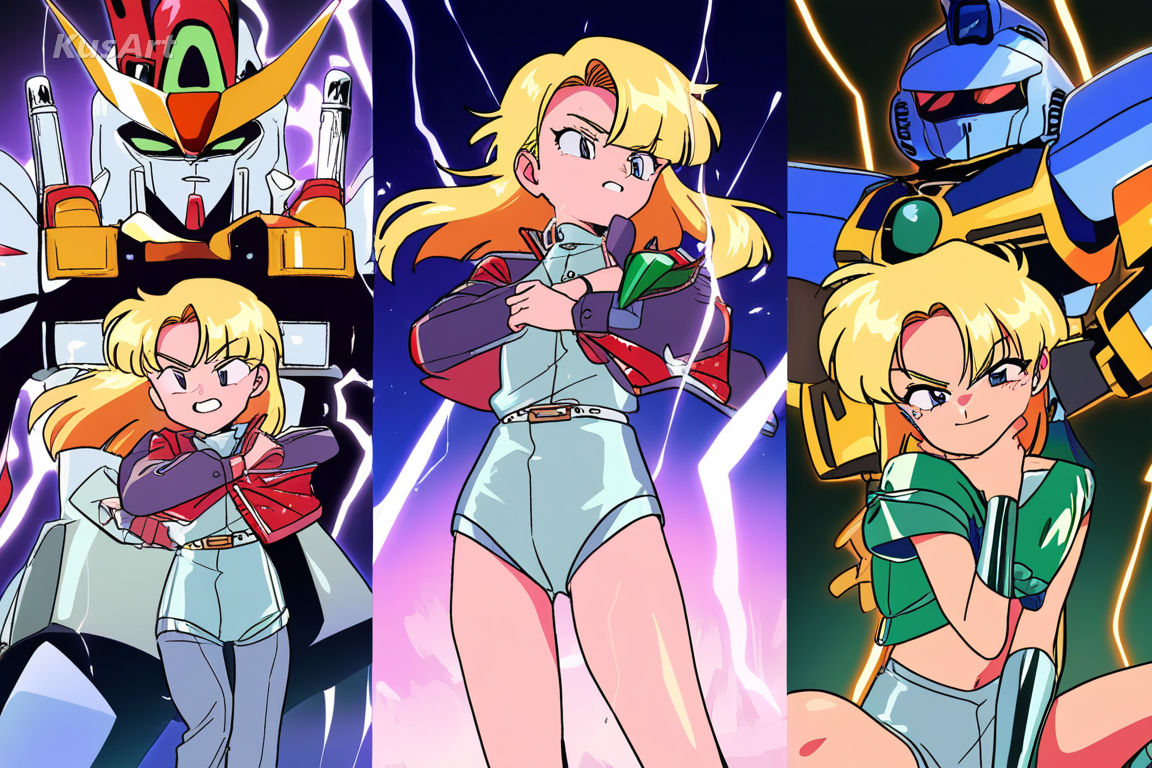
Gold and chrome surfaces need saturated light to sing. Hard cel blocks carve armour panels into readable shapes rather than muddying them in reflection.
Open the KusArt Image Generator and select '90s Retro Anime' from the style panel.
Describe the character, then name two palette colours — this style rewards being specific about hues.
Add a pose word like 'dramatic' or 'transformation' so the composition frames like a poster.
Generate, then refine with Image-to-Image if you want a different background treatment.
It is the loud, poster-facing side of tape-era anime art — saturated magenta and cyan palettes, hard cel shading, two-direction lighting, and abstract impact backgrounds borrowed from OVA covers and transformation sequences.
90s Realism chases grounded, muted, film-still detail. This style goes the opposite direction: colours stay fully saturated, shading stays hard-edged, and backgrounds are abstract rather than literal.
Yes. KusArt offers free AI generation with no login required, so you can create as much retro anime art as you like.
Name your colours explicitly and add a framing word. 'Magenta and cyan lighting, dramatic hero pose' does far more here than a long list of detail adjectives.
Yes, and it suits them well. Hard cel blocks carve metal panels into readable shapes, and the saturated lighting makes gold and chrome surfaces read clearly.
Images you generate are yours to download and use. Check the KusArt pricing page for the plan details that apply to your account.
Use 90s Retro Anime when you want loud saturated colour, hard cel edges, and dramatic poster lighting straight off a rented ova cover. It is especially useful for fake ova cover art, transformation and magical-girl scenes, and mecha and armour showcases.
Start with Image Generator for the fastest prompt-first workflow. If your goal is a profile picture or avatar, Anime PFP Maker is usually the better fit. If you want to build a more structured original character workflow, move into OC Generator.
Reach for this style when a character needs to arrive loudly. After your first strong result, you can carry the same look into OC Generator, AI Dance Generator, and Image to Video.
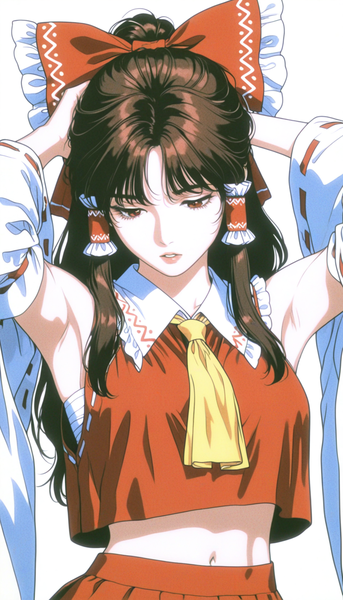
Sharp VHS-era linework, rich color, and grounded detail for nostalgic, artbook-style character portraits.
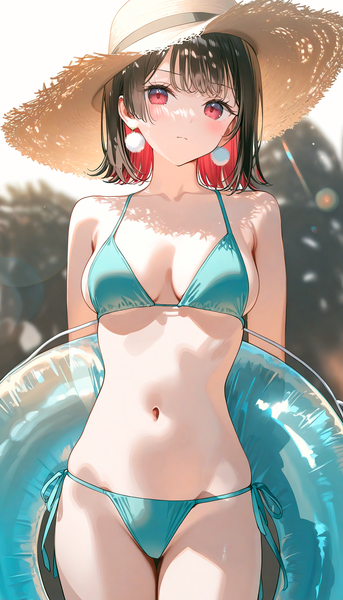
A dazzling anime style with rainbow light refractions, prismatic color splits, and iridescent highlights that make every illustration shimmer.
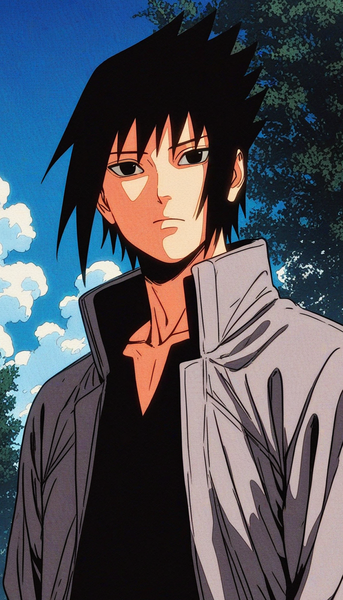
Strong, dynamic linework and high-contrast shading built to emphasize energy, determination, and action.
Generate saturated, poster-grade retro anime art in seconds — free, no login required.
Includes 100 free credits daily